This week’s Track Radio Sport and Tech discussion
Wednesday 22nd July 2026. Each week, I talk on Track Radio about technology and sport on Sonja McLaughlan‘s afternoon show (between 2.30 and 3pm). This week’s topic reflects my recent experience of running in the heat.
Running the Cotswold Way
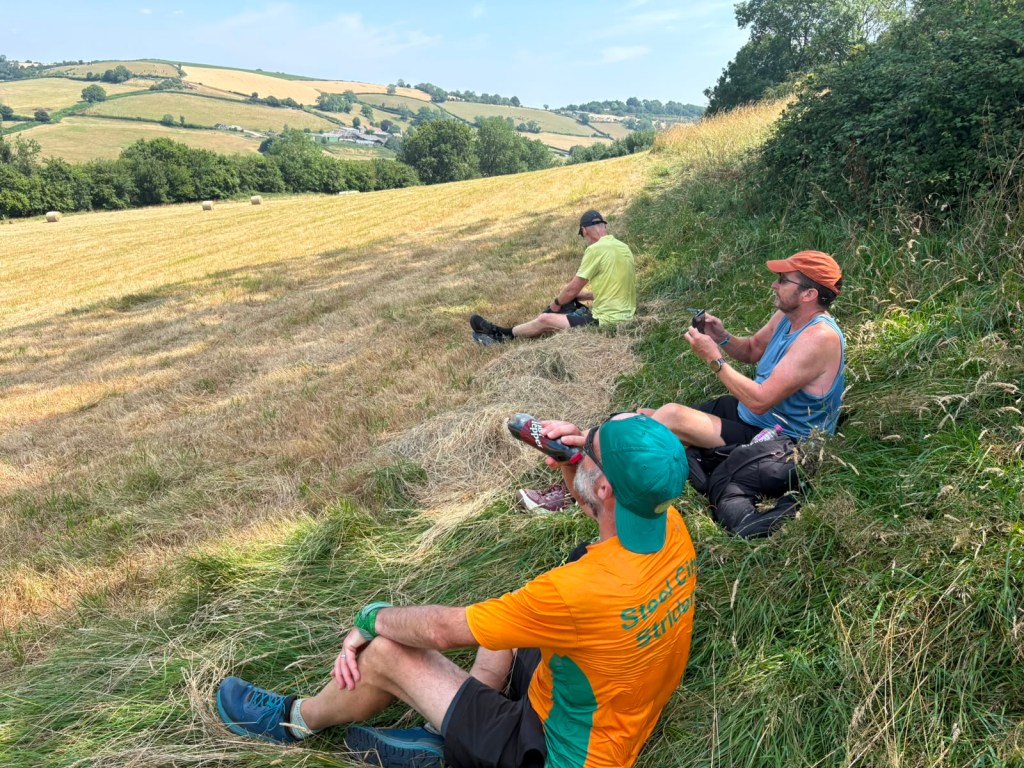
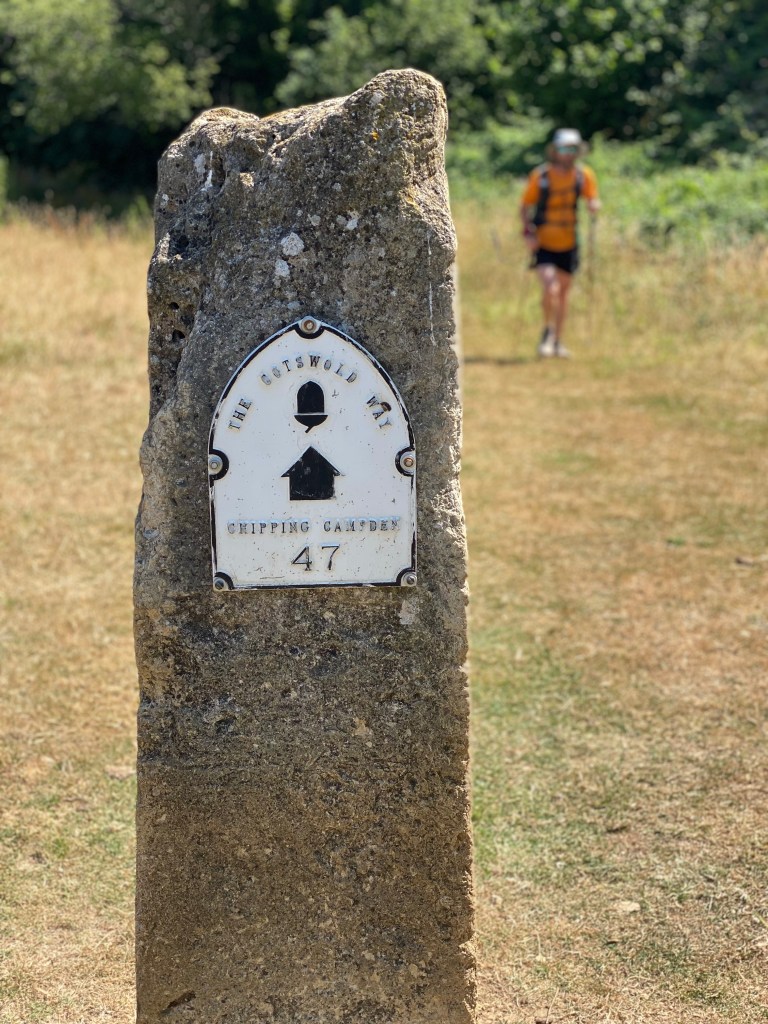
Every year, I spend a week away running with some friends. We try to choose a route of about a hundred miles and do a bit of it everyday over about five or six days. We’ve done the coast of Anglesey, the Isle of Man, the South West Coastal Path (five sections of five days each) and the north of England’s Coast to Coast (two sections of five days each). This year, we decided to do the Cotswold Way, 103 miles from Chipping Camden to Bath. Compared to the other jaunts we’d done, I thought it would be easy but it seemed to me that it was one of the hardest we’ve ever done. I’m certain I spent more time walking than running.
It occurred to me that the thirty degree heat was probably something to do with it. I spoke to research physiologist Dr Alan Ruddock, to see if this was the case.
The effect of temperature on the body
I asked him about the effect of temperature on the body.
“Once you start exercising in the heat,” he said, “you have a conflicting demand for blood flow. Where does your body send the blood? Does it send it to your muscles which need the oxygen to produce energy to produce mechanical work to run? Or does it divert some blood to the skin surface to help regulate your body temperature?”
In practice, two things happen: dilation of the capillaries at the skin’s surface and of blood vessels in the muscles. This acts to reduce blood pressure and to get back to equilibrium, the heart beats faster. The heart is like the rev counter for your body: the faster the heart goes, the more energy your body is expending and the greater the potential for fatigue. Either you accept that and fuel accordingly or slow down and run or walk at a slower pace.
Josh Kerr’s 1 mile record
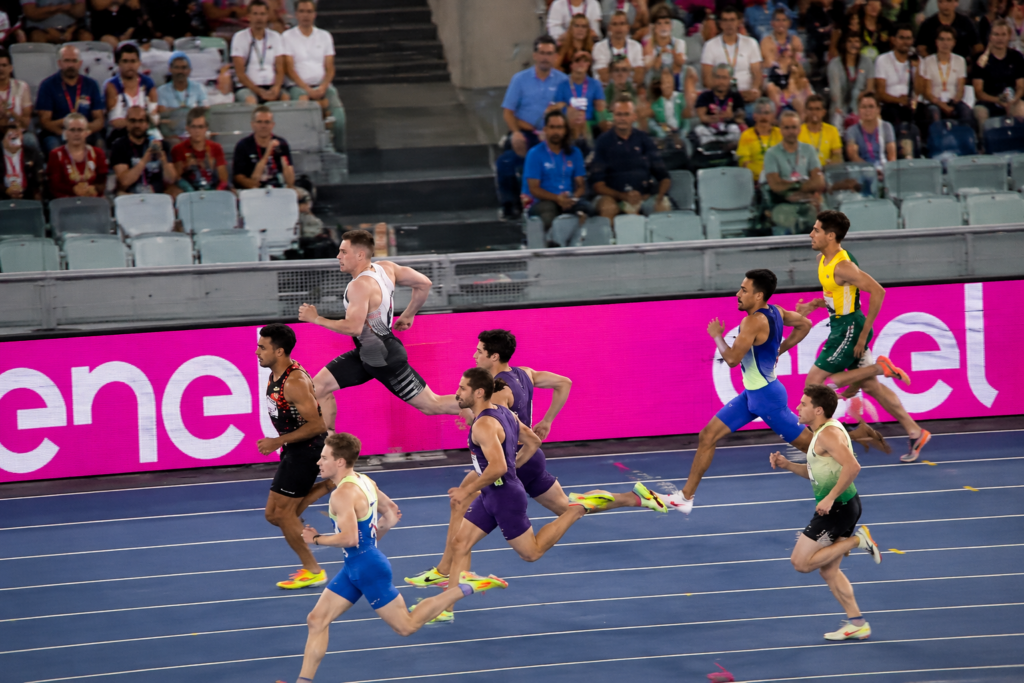
On the way home from our holiday, we heard that Josh Kerr had broken the one mile record in a time of 3 minutes 42.66 seconds, knocking about half a second of the previous record.
Reports state that his Brooks running suit was “crafted to enhance aerodynamics and breathability, with laser cut perforations that release heat and humidity while enhancing mobility”.
I asked Alan what the effect of temperature might have been on performance.
“None,” came the reply.
The time was far too short for any effects of temperature to have made a difference. The suit might have enhanced aerodynamics at the speed he was running, but might have had less effect on thermal regulation.
Sage advice for running in the heat
I asked Alan what his advice would have been had I spoken to him before my holiday in the Cotswolds. He advised that a bit of acclimatisation in the University’s climate chamber would have helped my body to get used to the harsh conditions of the likes of Chipping Camden and Old Sodbury. Otherwise he had just one word:
“Hydrate.”